Pompeii The Legacy is our simulation game recommendation to rebuild a new year from the ashes


sexta, 9 de janeiro de 2026 23h 39min
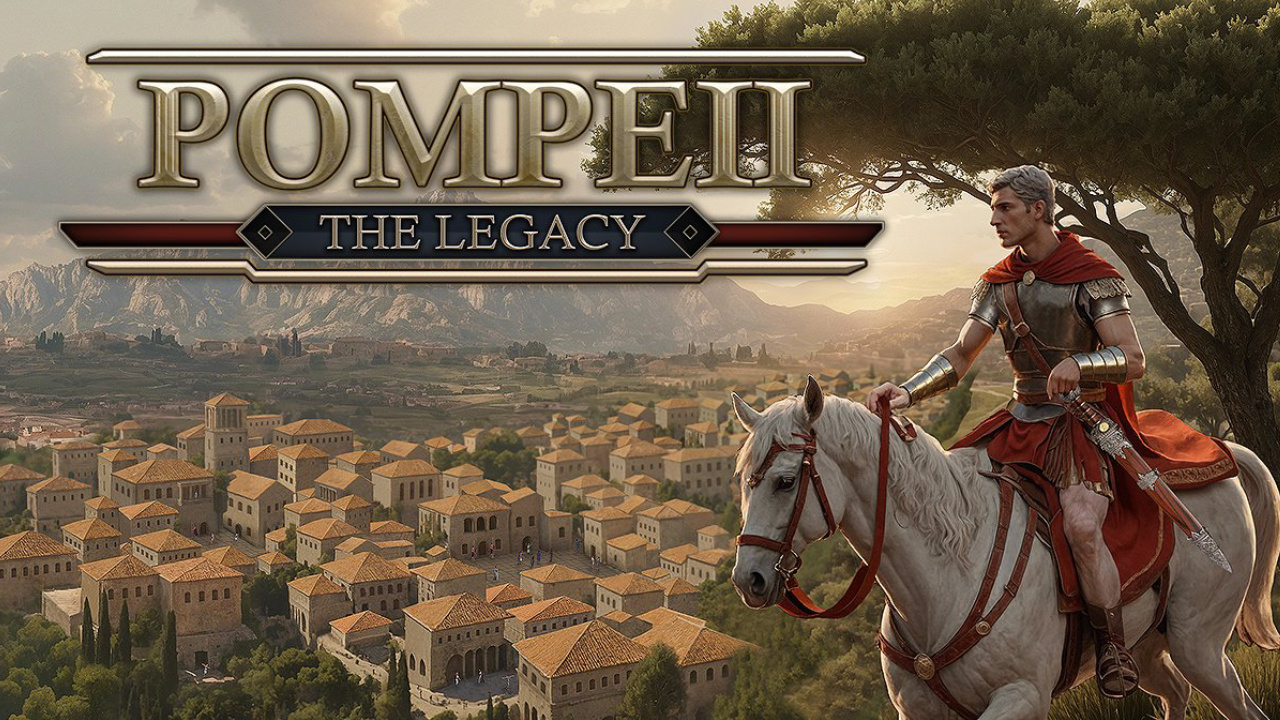
Our recommendation for simulation games to play at the beginning of the year is Pompeii: The Legacy, developed by Siscia Games, a project that focuses on an immersive, detail rich environment where city building mechanics are set within the Roman Empire, with a strong emphasis on the legendary city of Pompeii. The proposal combines careful management with historical authenticity, creating an experience that values both strategy and atmosphere.
The narrative begins twenty years after the catastrophic eruption of Mount Vesuvius in 79 AD, placing the player in charge of rebuilding the city from the ashes. This approach turns urban reconstruction into a thoughtful planning exercise, in which every decision directly affects the economic, social, and structural growth of the new Pompeii.
Currently available in Steam Early Access, the game already includes the majority of its planned features and has reached its first major milestone as a solo developed project. The developer explains part of this process by stating: "During development, some priorities naturally shifted. A few features originally planned for Milestone Two were moved forward and included here, while I focused on delivering more finished buildings, systems, and balance improvements earlier."
The major v0.600.0 update introduced important new buildings, such as the Armorer, the Heavy Weapons Yard, and temples dedicated to Jupiter and Mars, alongside adjustments to construction and production cost balancing. These changes reinforce the depth of the urban system and expand the strategic options available to players as the city grows.
In terms of economy and balance, consumption was reduced on Normal difficulty, prices were adjusted across various buildings, roads, and decorations, and improvements were made to cost displays and the trading system. New research options were also added, providing production bonuses, urban tax reforms, and upgrades in areas such as carpentry, luxury food, and wood collection.
Citizens now exhibit more consistent behavior, preferring to walk on roads and respecting minimum housing conditions before leaving the city, which contributes to a more realistic simulation. Interface, gameplay, and visual feedback improvements, including health warnings and dialogue fixes, make the experience clearer and more accessible, even for new players.
Finally, visual and audio optimizations further enhance immersion, with improved textures, new ambient sounds, and clearer system logs. Developer Zeljko Kos highlights the next steps for the project by stating: "Once the next chunk of story content is added after the New Year, I’ll shift focus to deep optimisation and visual improvements across the entire game. After that, combat will be introduced, and it will remain optional, allowing players to choose their preferred playstyle." In this way, Pompeii: The Legacy continues to evolve steadily, strengthening its identity as a robust and promising historical simulator.